

A well-defined test plan is a critical component of the software development lifecycle, providing a roadmap for the testing process and ensuring that all aspects of the software product are thoroughly evaluated. Whether you’re developing a new application, implementing updates, or conducting maintenance, having a comprehensive test plan in place is essential for achieving quality, reliability, and user satisfaction. In this article, we’ll explore the essential components of a test plan and provide tips for creating an effective test plan for your software projects.
Understanding Test Planning
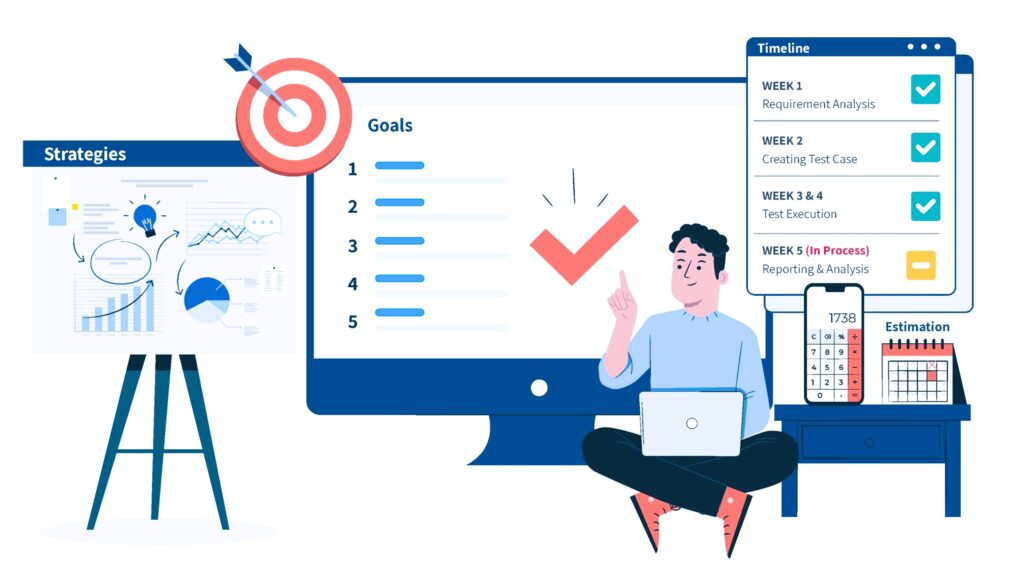
Test planning is the process of defining the scope, objectives, resources, and schedule for testing activities. A test plan serves as a blueprint for the testing process, outlining the testing approach, methodologies, techniques, and responsibilities of stakeholders involved in the testing effort. By creating a well-thought-out test plan, organizations can ensure that testing activities are conducted systematically, efficiently, and effectively, leading to the delivery of high-quality software products.
Essential Components of a Test Plan
1. Introduction
The introduction section provides an overview of the test plan, including its purpose, scope, objectives, and key stakeholders. It sets the context for the testing effort and communicates the goals and expectations to all project stakeholders.
2. Test Scope and Objectives
The test scope and objectives define the boundaries of the testing effort and outline what aspects of the software product will be tested. It includes information about the features, functionalities, and components to be tested, as well as any specific testing goals or success criteria.
3. Testing Approach
The testing approach describes the overall strategy and methodology for conducting testing activities. It outlines the types of testing to be performed, such as functional testing, non-functional testing, and regression testing, as well as any specific testing techniques or tools to be used.
4. Test Environment
The test environment section describes the hardware, software, and network configurations required for testing. It includes information about the testing infrastructure, including test environments, test beds, test data, and any third-party dependencies or integrations. Read our recommendations for load testing your web application in this article.
5. Test Activities and Deliverables
The test activities and deliverables section provides a detailed breakdown of the testing tasks to be performed and the corresponding deliverables to be produced. It includes information about test case development, test execution, defect management, and test reporting activities.
6. Test Schedule and Resource Allocation
The test schedule and resource allocation define the timeline and resource requirements for testing activities. It includes information about test milestones, timelines, resource assignments, and dependencies on other project activities.
7. Risks and Contingency Plans
The risks and contingency plans section identifies potential risks and uncertainties that may impact the testing effort and outlines mitigation strategies and contingency plans. It includes information about risk assessment, risk prioritization, and risk mitigation measures.
8. Roles and Responsibilities
The roles and responsibilities section defines the roles and responsibilities of stakeholders involved in the testing effort. It includes information about the responsibilities of testers, test leads, developers, project managers, and other stakeholders, as well as any cross-functional collaboration or communication channels.
Tips for Creating an Effective Test Plan
1. Start Early
Begin test planning activities as early as possible in the software development lifecycle to ensure that testing considerations are integrated into the project from the outset. Engage stakeholders, gather requirements, and define testing objectives early to avoid delays and misunderstandings later in the project.
2. Tailor the Test Plan

Customize the test plan to fit the specific needs and characteristics of the software project. Consider factors such as project size, complexity, criticality, and constraints when defining the scope, objectives, and testing approach. Tailoring the test plan ensures that testing activities are relevant, practical, and aligned with project goals.
3. Involve Stakeholders
Collaborate with stakeholders from across the organization to gather input, feedback, and buy-in for the test plan. Engage developers, product owners, business analysts, quality assurance professionals, and other stakeholders in the test planning process to ensure that all perspectives are considered and requirements are accurately captured.
4. Keep It Agile
Adopt an agile mindset and approach to test planning, emphasizing flexibility, adaptability, and continuous improvement. Break down testing activities into smaller, manageable tasks, and incorporate feedback from iterative development cycles to refine and update the test plan as needed. Embrace change and be prepared to adjust testing priorities, strategies, and resources in response to evolving project requirements and priorities.
5. Review and Iterate
Regularly review and iterate on the test plan throughout the project lifecycle to ensure its relevance, accuracy, and effectiveness. Solicit feedback from stakeholders, monitor testing progress, and identify areas for improvement or refinement. Continuously update the test plan to reflect changes in project scope, objectives, or constraints, and communicate updates to all relevant stakeholders.
Conclusion
Creating a comprehensive test plan is essential for ensuring the success of software testing efforts and delivering high-quality software products. By defining clear objectives, scope, methodologies, and responsibilities, organizations can systematically plan, execute, and manage testing activities, leading to improved product quality, reduced risks, and increased stakeholder satisfaction. By following the essential components and tips outlined in this article, you can create an effective test plan that meets the needs of your software projects and helps you achieve your testing goals.
For further reading on test planning methodologies and best practices, you can visit Wikipedia. These resources provide valuable insights, case studies, and tutorials on test planning and software testing processes.